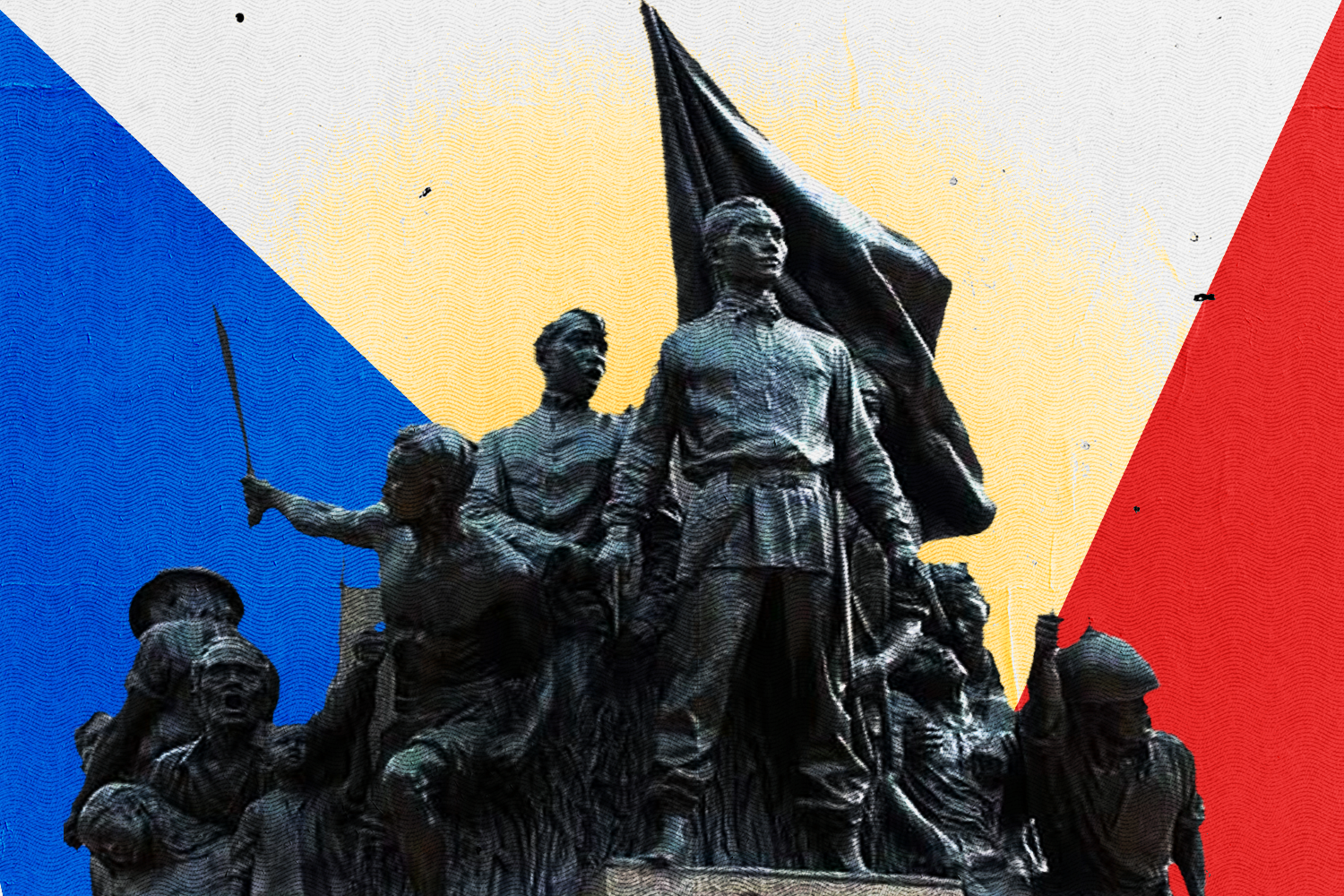
We've all been taught the same well-known names: Rizal, Bonifacio, Mabini, Luna. We know their faces, their birthdays, their deaths. We know which books Rizal wrote and which revolution Bonifacio helped start. Somewhere along the way, we also learned that these are what heroes are supposed to look like: exceptional people who sacrificed something for the country, important enough to have their names remembered long after they were gone. But I’ve always found it interesting that when we talk about “heroes,” we almost automatically look upward—to the people whose names made it into history books. Rarely at the people who made history possible.
Take Rizal, for example. There is no question that his contribution to Philippine nationalism was significant. His Noli Me Tangere and El Filibusterismo exposed colonial oppression, and his execution in 1896 made his martyrdom an enduring symbol of Filipino nationalism. However, Rizal was also an ilustrado, part of the educated and relatively privileged sector of colonial society. His family were substantial agricultural leaseholders in Calamba; historical research identifies the Rizal family as among the largest leaseholders of sugar lands in the area and places their holdings at approximately 382 hectares of sugar land and 9.8 hectares of rice land.
And that doesn't suddenly make Rizal “not a hero.” It just makes the story more complicated. Having privilege does not mean you cannot fight oppression, but oppression tastes different when you have access to education, property, and opportunities that others do not. That distinction matters when we decide who gets remembered.
Karl Marx and Friedrich Engels described society through class relations, particularly between those who control the means of production and those who have to sell their labor to survive. In simple terms: who owns, and who works?. If we apply that question to heroism, things get interesting. We celebrate the person who wrote about the Filipinos, but who grew the food that Filipinos ate? We remember the people who fought for freedom, but who built the roads, houses, and communities that people were supposed to be free to live in?
The farmer who wakes before sunrise, hands roughened by soil and weather. The construction worker hanging above the city, building towers whose doors he may never walk through as an owner. The factory worker whose hands repeat the same motion until exhaustion becomes muscle memory. The domestic worker caring for another family's home while her own waits somewhere else. The delivery rider weaving through traffic under a punishing sun because every completed order means money brought home.
We don't usually call these people heroes. Maybe because their sacrifice doesn't look heroic. There is no dramatic ending, no statue, no history book chapter—just another day at work, and then another.
Their labor disappears into the finished product. The building stands, the food arrives, the floor shines, the package is delivered—and the worker disappears. We have become so used to the machinery of their sacrifice that we mistake it for ordinary life. Their exhaustion is hidden inside the convenience we enjoy, their time folded into services we barely notice, and their bodies treated as replaceable parts in a system that simply has to keep moving.
Yet Filipino workers have never simply waited for someone else to save them. In 1902, Isabelo de los Reyes founded the Union Obrera Democrática Filipina, a labor organization that sought to unite workers, and established La Redención del Obrero, a newspaper that championed workers’ rights. He later led a general strike involving factory workers and farm tenants and was arrested and imprisoned for his role.
Workers weren't simply waiting for a hero; they organized, demanded better conditions, took risks, and fought together.
And yet, these stories rarely occupy the same space in our imagination as Rizal standing in front of the firing squad. Maybe that's because we like our heroes singular: one face, one name, one story. But the Philippines was never built by one person. We can place one man on a pedestal and call the story complete; it is much harder to look at millions of workers and admit that the country we celebrate rests, in part, on their exhaustion.
Rizal's privilege was real, and so was his courage. The worker's struggle is real too. I don't think the answer is to take Rizal off the pedestal. I think we should question why there is only one pedestal in the first place.
We tend to think of sacrifice as something dramatic: giving your life, going to war, standing up against an empire. But what about sacrificing your time, your body, your comfort, and sometimes your dignity just to make sure the people you love can eat tomorrow?
Maybe heroism isn't always about dying for the country. Sometimes, it's about having to keep living in it.
So yes, remember Rizal. Remember Bonifacio, Mabini, and Luna. But remember the people who worked while history was happening, too: the farmer who keeps planting despite uncertainty, the worker who stays on shift despite exhaustion, the parent who takes another job because there are people depending on them, and the rider who keeps moving because stopping means losing income.
Maybe we have simply become too used to their sacrifices to notice them. So the next time we ask, “Sino ba talaga ang bayani?” we shouldn't only look at the names carved into monuments. Maybe we should look at the people whose names we never learned—the ones whose hands keep the country moving.
We call them ordinary because we have made their extraordinary sacrifices look ordinary.