
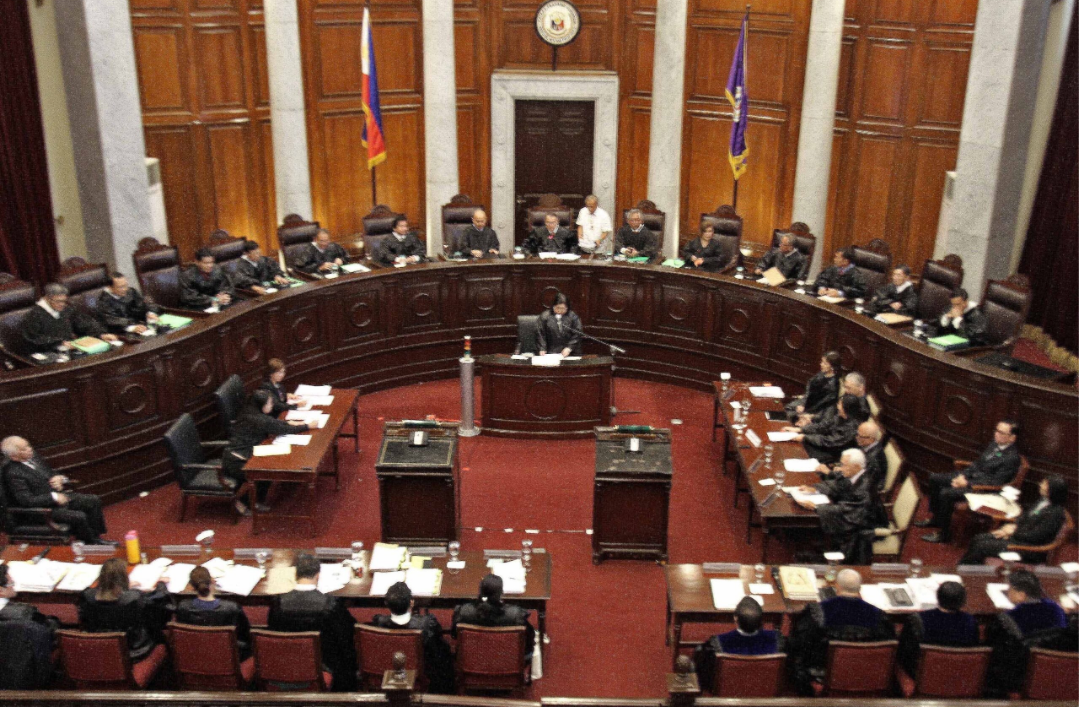
After nearly four decades of legislative inaction, the Supreme CourtEn Banc unanimously directed Congress to fulfill its constitutional duty to enact a law prohibiting political dynasties during its session on 26 August 2026. The ruling declared Congress' 39-year failure to pass such legislation as grave abuse of discretion, granting consolidated petitions challenging the prolonged absence of an anti-political dynasty law.
The decision, penned by Associate Justice Ramon Paul L. Hernando, emphasized that Article II, Section 26 of the 1987
Constitution is a constitutional command, not merely an aspiration.
The provision states that the State shall guarantee equal access to opportunities for public service and prohibit political dynasties as may be defined by law. The Court clarified that the phrase "as may be defined by law" gives Congress the authority to define political dynasties and determine the scope of the prohibition, rather than the option to leave the mandate unfulfilled.
With the ruling, Congress is urged to enact the appropriate anti-political dynasty law at the earliest opportunity. The Court also noted the numerous anti-political dynasty bills filed but left unacted upon since the ratification of the 1987 Constitution, alongside studies on the prevalence of political dynasties in the country. As lawmakers face the directive, the definition of political dynasties and the extent of the prohibition remain to be established through legislation.
