EVERY YEAR in March, we are told to celebrate. We are handed flowers; well-known women celebrities, beauty queens, politicians, and athletes are tagged in “empowerment” posts; and we are expected to perform gratitude for a month of shallow appreciation. But Women’s Month was never intended to be a party. It was forged by women who marched the streets demanding equality, respect, and a seat at the table. It is a reminder of a struggle that is far from over.
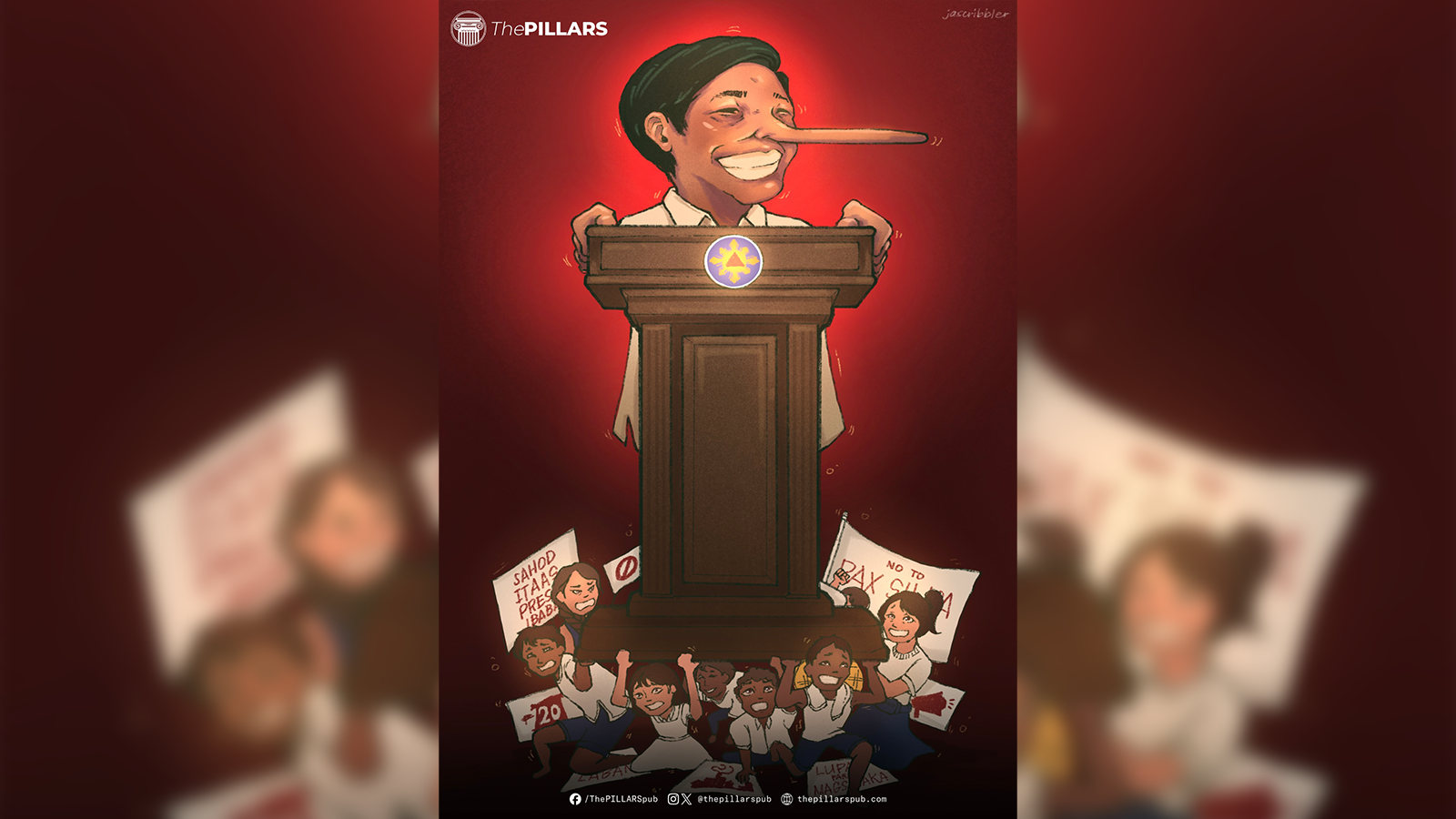
In the Philippines, that reality is a bitter, suffocating irony. Instead of progress, our feeds are a landfill of patriarchal rot, spewed from the mouths of men who hold the podium and men who hold the microphone. From the halls of Congress, where male politicians feel entitled to publicly narrate their lewd, voyeuristic “desires” about women in official hearings, to the well-lit, supposedly “progressive” stages of our local arts scene, the message remains clear: our dignity is negotiable.
Recently, we’ve seen public platforms intended for art and discourse hijacked to spew rhetoric that reeks of rape culture, objectification, and the normalization of violence against women. When victims and allies speak up to condemn these acts, the real issue is immediately buried under a defensive, manufactured obsession with “cancel culture.”
In reality, this obsession is a tactical diversion. It is the ideological shield for the status quo. We do not call people out on social media for sport; we do it because it is the only remaining mechanism to demand accountability in a country whose justice system routinely fails to protect women, leaving victims of harassment and abuse with little recourse.
Accountability is not a competition; it is a fight against a system designed to maintain hierarchy and oppression. Misogyny is not a series of individual moral failings; it is the superstructure that upholds patriarchal authority. It does not exist in isolation—it is woven into the political, cultural, and social fabric that sustains inequality. It is an ecosystem. It is the air we are forced to breathe. From the halls of Congress to the stages of entertainment, from workplaces to the streets, the same forces enforce the same hierarchy: women’s bodies and voices are commodified, exploited, and dismissed. If the rot is everywhere—national or local, political or cultural—then confronting it cannot be selective. We cannot demand justice for one sector while tolerating abuse in another; every act of oppression is connected, and every system that allows it must be dismantled. To challenge misogyny is to challenge the entire structure that profits from it.
The patriarchy has always been the ultimate “cancel culture.” It has spent centuries canceling our voices, our safety, and our very histories. Historically, this was the primitive accumulation of power—the violent enforcement of a social order that demanded our subjugation to sustain the authority of those in power. To maintain this, the state used public shaming, physical violence, and systematic erasure to neutralize the threat we posed to their monopoly. What is now labeled as an “Overreaction” is simply the speed of information finally catching up to the speed of our harm. They can no longer hide their violence behind closed doors, because for the first time, we have the reach to expose them faster than they can bury us.
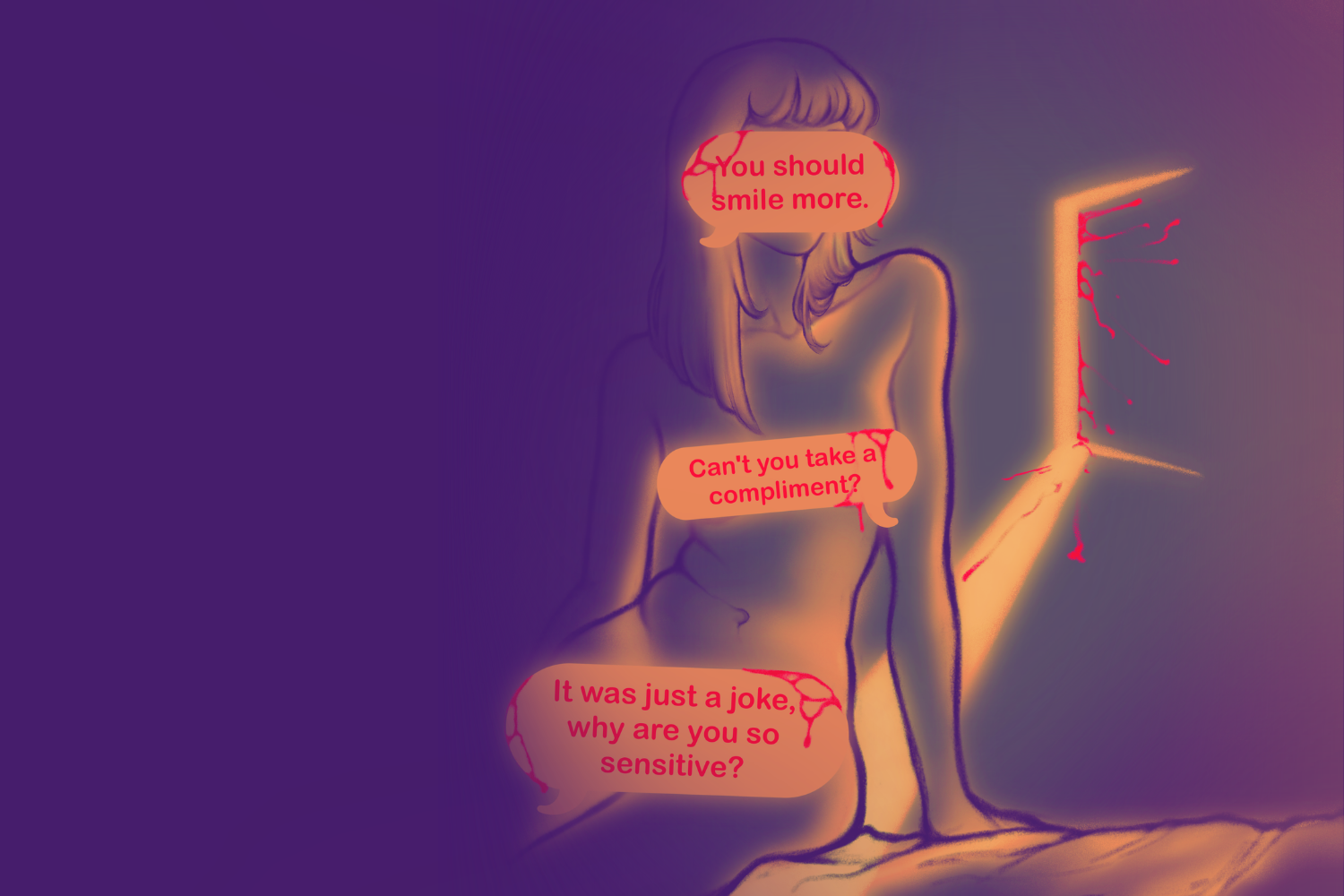
Humor is the most effective weapon of the existing order because it disguises violence as entertainment. When sexist remarks are excused as “just a joke,” they lay the foundation for harassment and violence to follow. Every time society defends the joke over the people it degrades, it signals that our safety is a fair price to pay for a laugh.
We are done paying that price. Women’s Month can only be meaningful if we rise together to dismantle the structures that silence, endanger, and dismiss us. We honor the women who fought before us, who carved out spaces in a world built to oppress them, and continue the struggle they left unfinished.
This is a conscious, collective fight that demands action from each of us. Take every space they have tried to deny us—on the streets, in schools, in workplaces, on stages, online, and in every conversation.
“Women hold up half the sky, and we can take the whole thing if we have to.”
If you think this is funny, read the headline.