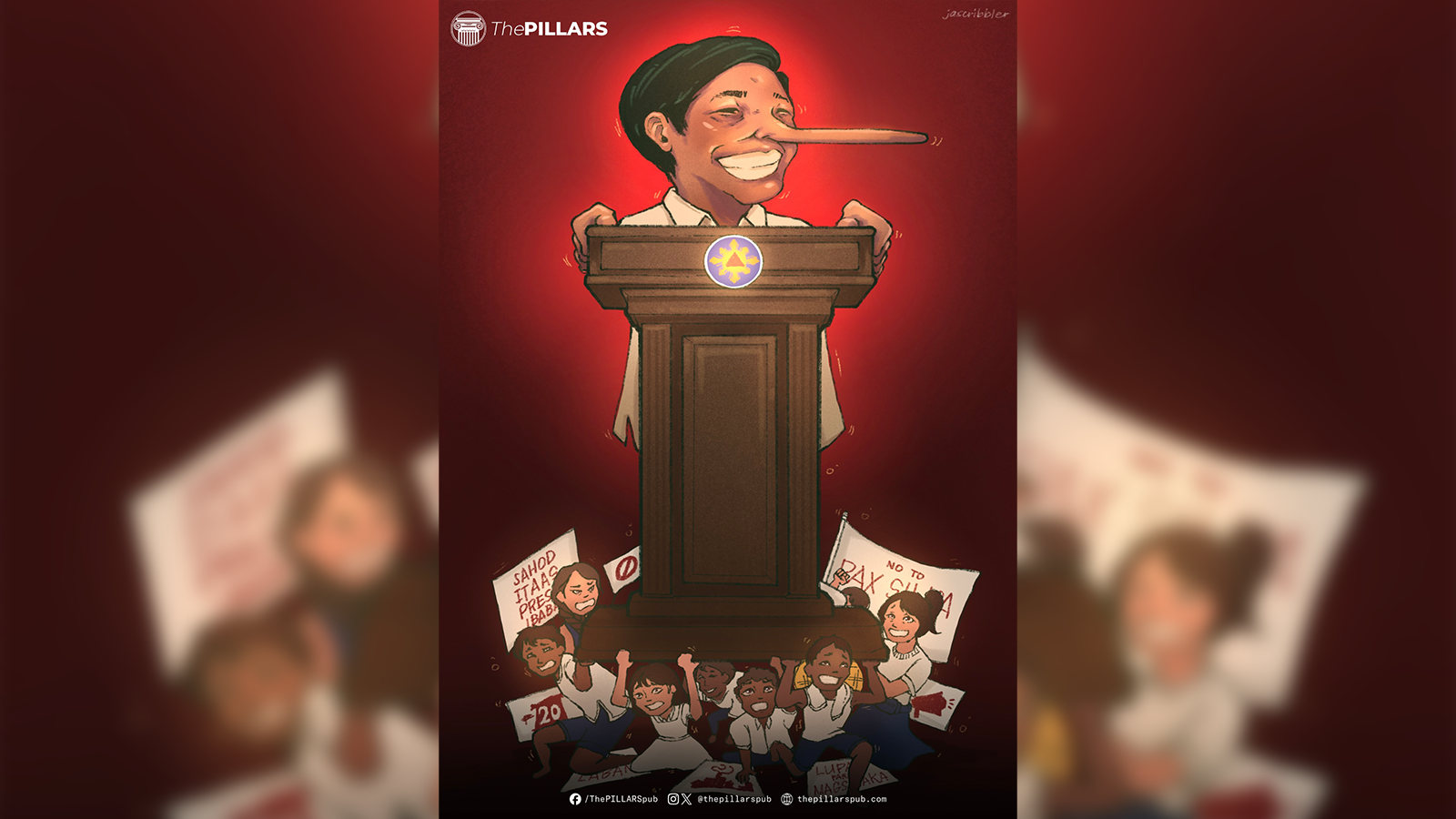
THE PHILIPPINES ranks among countries with the highest power distance index (PDI), sitting at 94, which means if Filipinos were told by their leader to lodge a bullet to their head or drink the Kool-Aid, they are far more likely to obey without question.
This culture of deference to authority and a committed refusal to be violent, thanks to the aggrandizement of reformists such as Rizal and patronage politics, has led not only to the failure of producing progressive regimes in the aftermath of EDSA People Power Revolution but also to the continued degradation of government in all levels.
Jose Rizal championed education and moral suasion, as well as assimilationist reform under Spain as he distrusted premature plans to revolt and believed that enlightenment would eventually soften tyranny. His martyrdom in Ermita later transformed him into a saint of civic restraint. The state canonized him as the model Filipino—someone who is patient, articulate, rational, and law-abiding.
More than honoring a national hero, it prescribed a political temperament for decades to come, of reform over rupture and persuasion over force, of petition and not expropriation. In celebrating this posture as the highest virtue, we also narrowed the horizon of dissent we deem acceptable. This becomes evident in the ensuing “revolutions” of the country.
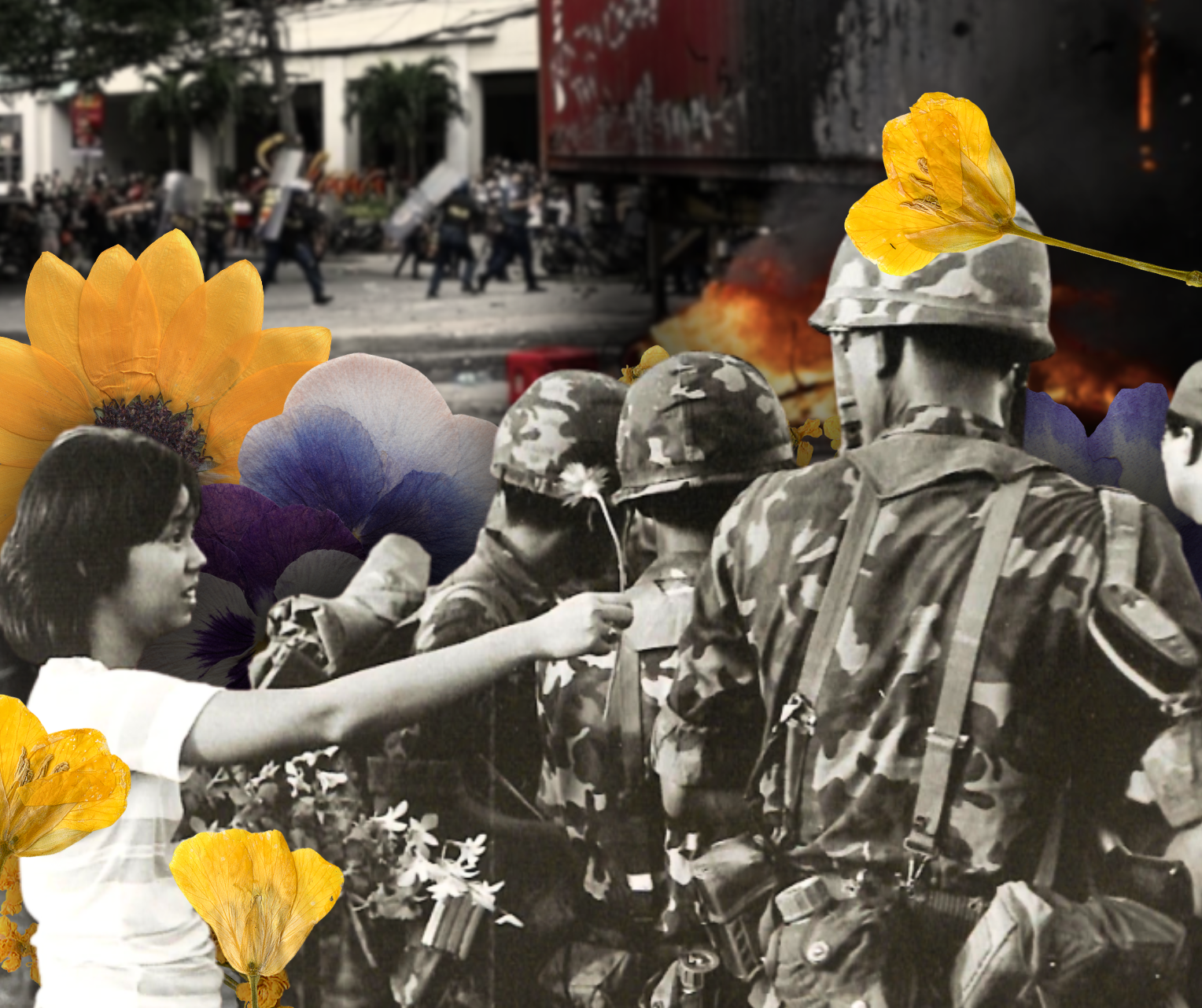
The reformist lineage flowed into the twentieth century and culminated symbolically in the 1986 uprising on Epifanio de los Santos Avenue during the People Power Revolution. Notably, the four-day event continues to be framed by Filipinos as a moral spectacle, picturing nuns with rosaries, civilians offering flowers to soldiers, and a dictator who has been undone by conscience.
The language of this revolution reflected Rizal’s faith in moral awakening, that tyranny would collapse upon exposure to virtue. It was only the man himself who did, having been faced with the culmination of months of boycotts and rallying. Despite the Marcoses fleeing to Hawaii in exile, the machinery that allowed Marcos Sr. to instate military rule remained planted in our home soil. Crony capitalism, landed oligarchies, and military tutelage all survived the pageantry and we eventually find that the revolution merely changed the driver of the same vehicle.
The most visible residue of this era is oligarchic restoration. After the fall of Ferdinand Marcos, the presidency of Corazon Aquino, herself belonging to a dynastic clan with no dreams of a restructuring of institutions that favor the poor, promised democratic renewal. Instead, political clans reclaimed Congress and local governments, with persistence of patronage and the stalling of land reform. The 1987 Constitution fortified civil liberties the same way it preserved the economic order that insulated elites. At the cost of avoiding bloodshed, we also avoided structural reckoning. Such is the modern proof of Rizal’s faith in reform—an Ancien régime rebranded, and a parody of the Coup of 18 Brumaire.
Another residue is the sanctification of “people power” as a reset button. Because EDSA worked once before, we transformed it into a myth. When Joseph Estrada was ousted in EDSA II, we followed the same script as the last time people took to the streets to mobilize. With every promise of change came an aftermath of endless bargaining with the monsters whose effigies we burned.
The country achieved something neither the French nor Latinos did—turn protest into a mundane activity where citizens learn to participate in assembling, chanting across a preplanned route, then return to business as usual having had a prayer vigil in the grounds of a cathedral, frustrations and anger towards the system released in a cathartic march.
The cynicism Filipinos have toward these demonstrations, most recent of which being the Trillion Peso March, is largely due to the lack of impact when one refuses to be feared and disobey the law. Our contemporary attempts at peaceful revolt—never mind the irony of the term—coexists with our neighbors’ successful uprisings led primarily by Generation Z. The July Uprising in Bangladesh reinvigorated hope of democracy through the ouster of Sheikh Hasina's regime, while the Nepalese Gen Z revolution effectively organized on Discord and Instagram channels, eventually inaugurating an interim prime minister. The difference between these revolutions and ours is an unavoidance of confrontational tactics and realizing clear solutions to the issues being faced, not taking obedience as a matter of fact.
By contrast, a people trained to revere nonviolence above all else hesitate to wield harder tools in the form of sustained civil disobedience and economic disruption that are better equipped to force redistribution. Rizal’s shadow makes militancy suspect even when injustice is entrenched. We perform righteousness and express anger in all socially acceptable means available, but rarely do we impose costs.
Meanwhile, corruption metastasizes from barangay halls to national agencies, and we internalize them as inevitable rather than confronted as structural. The slogans remain faithful to the hope that a correct ballot will realize a century-long dream of a Philippine utopia.
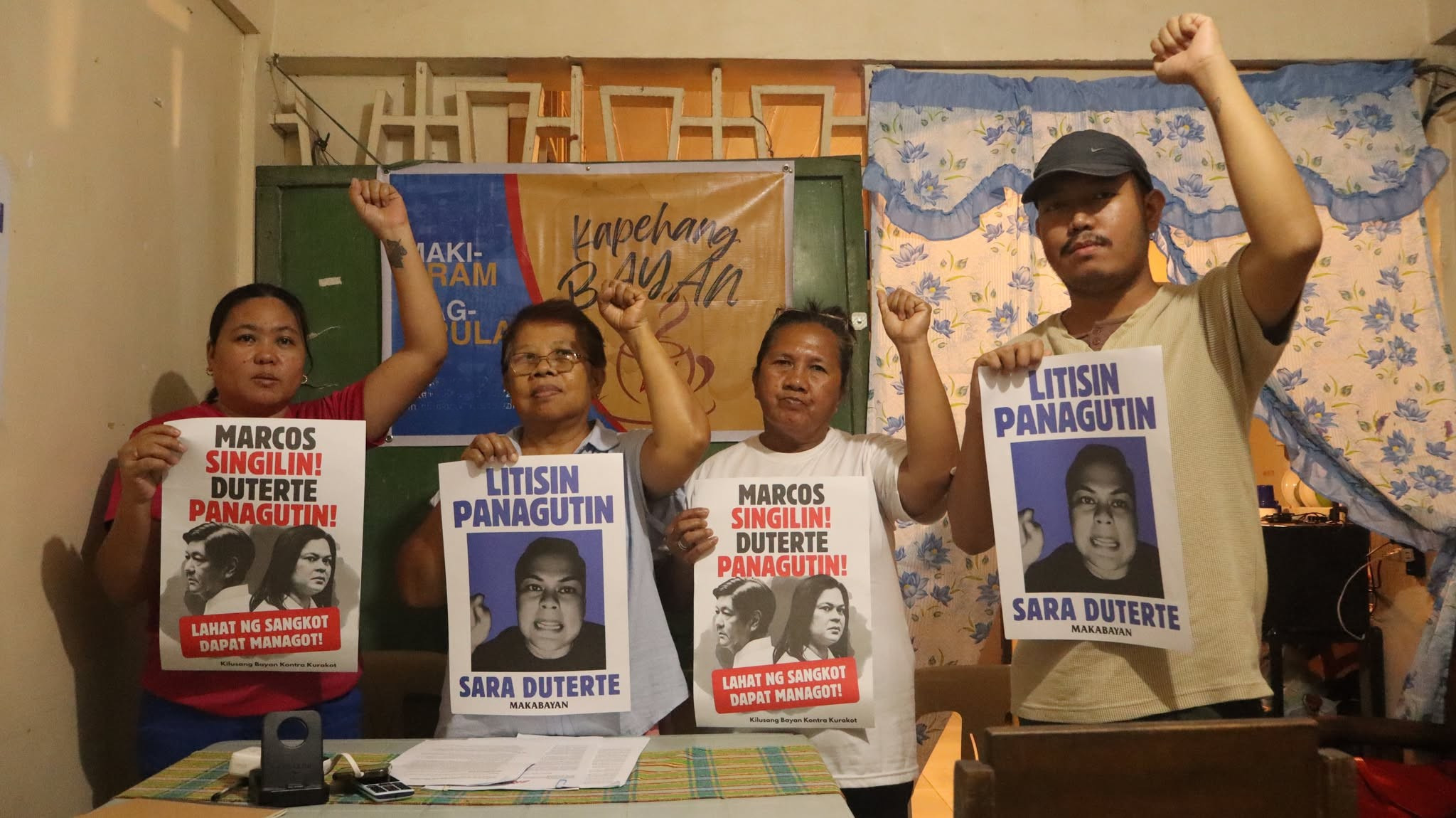
None of these things deny Rizal’s brilliance or the historical significance of EDSA, but it questions whether their political afterlife is to be desired. More than that, we must continue to question why so many of us feel nostalgia towards a repressive and deadly regime, why we yearn for iron fists the Dutertes offer to discipline the political elite. Reformism gave Filipinos a language of dignity, but it inadvertently normalized incrementalism in the face of systems that require overhaul.
Until we treat democracy not as an annual vigil on a highway but as a relentless restructuring of power from the familial to the economic level, the ghosts of EDSA will keep marching, rosaries in hand, while the oligarchs count the votes.